Why Hiring a Security Vehicle Works: The Power of Visual Deterrence
Hiring a security vehicle as part of your site protection strategy operates on a simple and highly effective principle: people change their behaviour when they know they are being watched.
The easiest comparison is something everyone understands — a speed camera vehicle parked on the side of the road.
When drivers see a mobile speed camera, they instinctively slow down. It doesn’t matter whether an officer is inside the vehicle or not. The visual presence alone signals authority, monitoring, and consequences. If you’re doing the wrong thing, you know it will be recorded and reported.
A security vehicle on a worksite functions in exactly the same way.
The Psychology of a Visual Deterrent
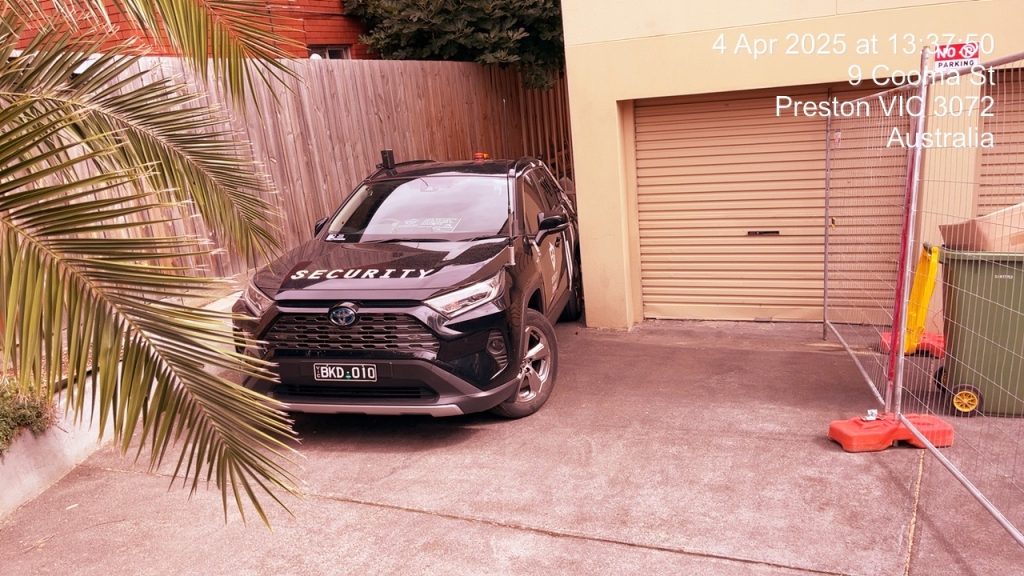
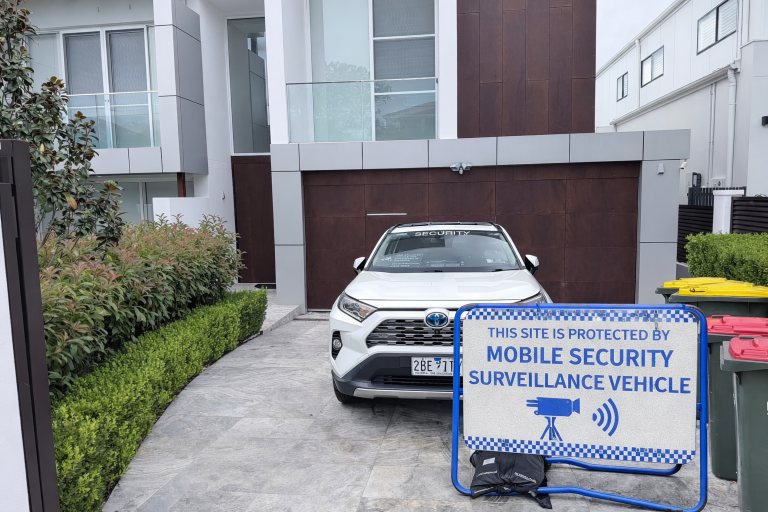
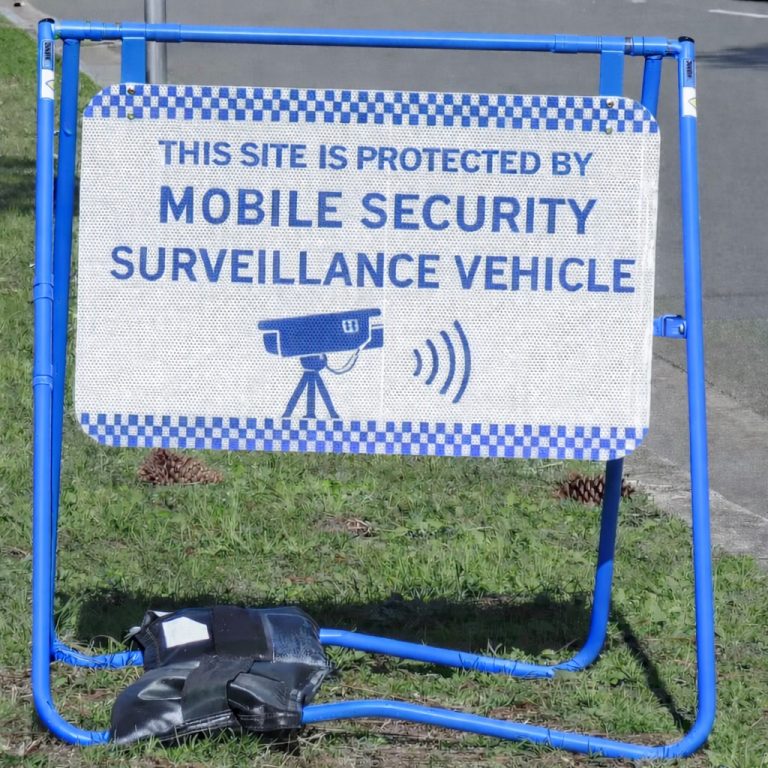
A marked security vehicle with amber flashing lights, cameras, and signage sends an immediate message:
• This site is being monitored
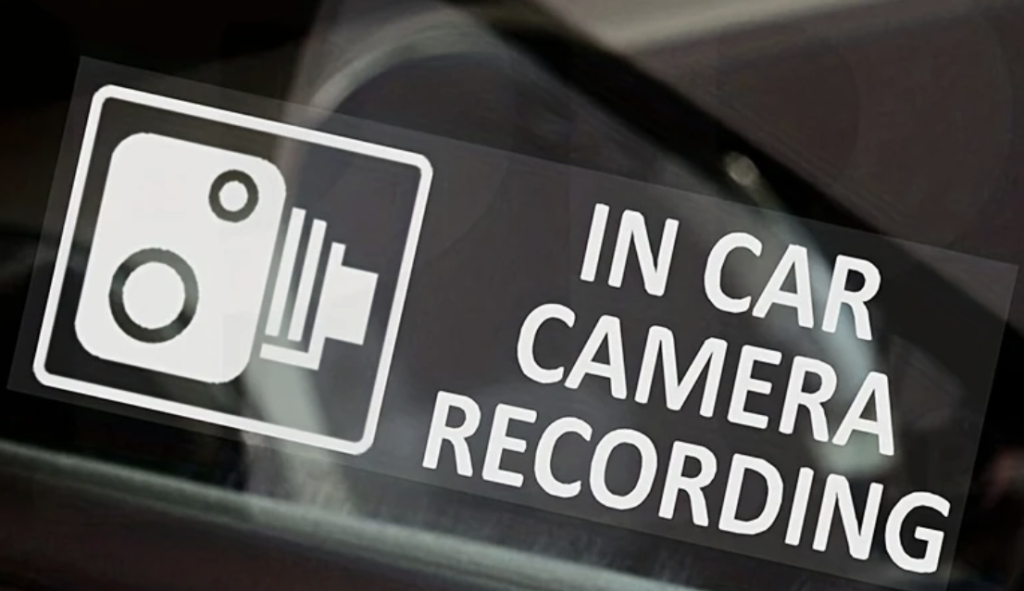
• Activity is being recorded
• Unauthorised entry will be detected
• Incidents will be reported to the vendor and authorities
Just like a speed camera, the vehicle doesn’t need to physically intervene to be effective. The perception of active monitoring is often enough to stop trespass, theft, vandalism, and illegal dumping before it starts.
More Than Just a Camera on a Pole
A fixed camera on a pole can be overlooked, ignored, or assumed to be inactive.
A security vehicle, on the other hand, creates the impression of mobility, response capability, and authority. It suggests that someone may arrive at any moment, and that footage is being actively monitored rather than passively stored.
This distinction matters.
Would-be offenders are far less likely to take the risk when confronted with something that looks official, mobile, and capable of escalation.
Autonomous but Authoritative
Modern security vehicles operate autonomously, often without the need for power connections or on-site staff. They are equipped with:
• High-visibility markings
• Amber warning lights
• Onboard cameras and recording systems
• Remote monitoring via control rooms
• Real-time alerts for unauthorised activity
Whether attended or unattended, the vehicle clearly communicates that the site is protected and that unlawful behaviour will not go unnoticed.
Early Detection, Fast Reporting
Just as a speed camera captures evidence and triggers enforcement, a security vehicle:
• Records unauthorised entry
• Detects property damage or suspicious behaviour
• Alerts the property owner or site manager
• Escalates incidents to authorities when required
This early detection can prevent minor issues from turning into costly damage, delays, or insurance claims.
The Bottom Line
A security vehicle is not just about surveillance — it’s about influence.
Much like seeing a speed camera makes you check your speed, seeing a security vehicle makes people think twice. It signals authority, monitoring, and accountability.
And in security, deterrence is always cheaper than response.